
“The companies winning in logistics today are not necessarily operating the largest fleets. They’re making faster, smarter decisions with the data they already have.”
If you manage a logistics or transportation business, you already know how challenging fleet operations have become. Fuel costs continue to fluctuate, customers expect accurate delivery updates, drivers face tighter schedules, and even a small disruption can quickly impact your costs and service quality.
You may already have GPS tracking, fleet software, or operational tools in place. But are they helping you make faster decisions? Or are you still reacting to problems after they happen?
The biggest challenge for many fleet operators is not a lack of data. It is turning that data into useful insights.
This is where AI fleet management can make a difference.
With AI-powered solutions, you can predict maintenance issues before breakdowns occur, optimize delivery routes in real time, improve driver safety, reduce fuel waste, and gain better visibility across your operations.
At Vrinsoft Pty Ltd, we help logistics and transportation businesses develop custom AI fleet management software designed around their workflows, challenges, and growth objectives. Our AI development services and software development expertise helps businesses transform fleet data into smarter decisions and more efficient operations.
In this guide, we’ll explore seven fleet management challenges AI can help you solve and how you can build a more connected, cost-effective transportation operation.
Quick Answer: What Is AI Fleet Management?
AI fleet management refers to the use of artificial intelligence, machine learning, predictive analytics, and automation technologies to optimize fleet operations.
Unlike traditional systems that primarily collect data, AI-powered solutions analyze operational information and provide recommendations or automated actions in real time.
A modern fleet management system can use AI to:
- Predict vehicle maintenance requirements
- Optimize delivery routes dynamically
- Reduce fuel consumption
- Improve fleet utilization
- Monitor driver safety
- Forecast delivery delays
- Enhance dispatch planning
- Improve customer communication
Simply put, AI helps fleet operators make faster and more accurate decisions while reducing manual effort.
Why Are More Logistics Companies Investing in AI Fleet Management?
The logistics industry is under pressure from multiple directions.
Customers expect faster deliveries. Operating costs continue to rise. Competition is increasing. Margins are shrinking.
At the same time, logistics businesses are generating more operational data than ever before through GPS systems, telematics devices, transportation management software, IoT sensors, and customer platforms.
The challenge isn’t collecting data. The challenge is turning that data into actionable decisions.
This is where artificial intelligence fleet management creates value.
The scale of the shift is significant: the global fleet management market was valued at roughly USD 27 billion in 2025 and is projected to reach USD 122.3 billion by 2035. It’s a 16.9% annual growth rate driven largely by AI, IoT, and analytics adoption. Nearly half of fleet managers (48%) now use AI-based tools specifically for route optimization, predictive maintenance, and dispatching.
Importantly, AI isn’t replacing logistics professionals. It’s a decision-support layer. People still manage exceptions, customer relationships, and operational nuance. AI just makes the insight arrive faster.
Also Read: Digital Transformation in Logistics, Strategy, Use Cases, and Roadmap for Australian Businesses
The Hidden Costs of Traditional Fleet Management
Here’s a question worth asking: How much is your business losing because of inefficiencies you can’t see?
Many fleet managers focus on obvious expenses such as fuel, labor, and vehicle maintenance. However, some of the most expensive costs remain hidden inside daily operations.
These include:
- Poor route planning
- Vehicle idle time
- Underutilized assets
- Reactive maintenance
- Delivery delays
- Driver productivity issues
- Manual dispatch processes
- Limited operational visibility
Individually, these issues may appear minor.
Collectively, they can cost logistics companies thousands of dollars every month.
This is why businesses are increasingly moving away from spreadsheets and disconnected systems toward integrated logistics technology platforms.
If you’re evaluating modern transportation technology, our guide on AI in logistics explores how organizations are applying artificial intelligence across route optimization, inventory management, demand forecasting, and supply chain visibility.
At Vrinsoft Pty Ltd, we’ve seen logistics businesses struggle with exactly these challenges. In many cases, the issue isn’t a lack of effort from operations teams. The problem is that existing systems were never designed to support real-time decision-making at scale.
Challenge #1: Rising Fuel Costs Are Reducing Fleet Profitability
For most logistics businesses, fuel is one of the largest operating expenses. However, rising fuel costs are not always driven by fuel prices alone. Inefficient routes, excessive idling, poor driving patterns, and limited visibility into fleet operations can significantly increase fuel consumption.
At Vrinsoft, we have worked with transportation businesses that faced rising fuel expenses despite using GPS tracking and basic fleet monitoring systems. In many cases, the challenge was not a lack of data but the inability to use that data for real-time decision-making.
Traditional route planning depends on fixed information, while transportation conditions constantly change due to traffic, weather, customer requests, and delivery priorities.
How AI Fleet Management Helps Reduce Fuel Waste
Modern AI fleet management solutions analyze multiple operational factors, including:
- Real-time traffic conditions
- Historical route performance
- Driver behavior patterns
- Weather conditions
- Vehicle performance data
- Delivery schedules
By processing this information, AI can recommend more efficient routes, reduce unnecessary fuel usage, and help fleet managers make faster operational decisions.
How This Improves Fleet Operations – Business Impact
When implemented correctly, AI-driven fleet management can help organizations:
- Reduce fuel expenses
- Improve fleet utilization
- Increase driver productivity
- Lower emissions
- Enhance customer satisfaction
However, route optimization is only effective when fleet data is connected across systems. Through our logistics software development projects, we’ve seen many organizations struggle with disconnected GPS, dispatch, ERP, and customer management platforms that limit visibility and decision-making.
This is why many businesses invest in integrated logistics solutions that bring operational data together in one platform.
Learn more about custom logistics platforms in our guide: Custom Logistics Software Development in Australia: Cost, Features, and What Transport Businesses Should Expect
Challenge #2: Unexpected Vehicle Breakdowns Create Costly Delays
A single vehicle breakdown can quickly impact delivery schedules, customer satisfaction, driver productivity, and operating costs.
The challenge isn’t always poor maintenance. More often, it’s relying on reactive maintenance strategies that identify issues only after a failure occurs.
Many fleets still rely on fixed maintenance schedules based on time or distance travelled. However, these schedules don’t always reflect actual vehicle condition, leading to unnecessary servicing or unexpected failures.
How Artificial Intelligence in Fleet Management Prevents Downtime
One of the most valuable applications of artificial intelligence in fleet management is predictive maintenance.
AI systems continuously analyze:
- Engine diagnostics
- Vehicle sensor data
- Maintenance records
- Driver behavior
- Telematics information
By identifying patterns that indicate potential failures, AI can alert fleet managers before minor issues become expensive breakdowns.
Instead of operating on a “fix it when it breaks” model, businesses can move toward a proactive maintenance strategy.
Business Impact
By identifying potential failures before they occur, predictive maintenance helps businesses reduce downtime, control repair costs, extend vehicle lifespan, and improve fleet reliability.
However, successful AI implementation depends on connected vehicle data, reliable sensors, and integration with existing operational systems.
Challenge #3: Inefficient Route Planning and Dispatching Increase Delivery Costs
Many logistics businesses focus on delivery delays, rising fuel expenses, and customer complaints without realizing that inefficient route planning is often the underlying cause.
As transportation networks become more complex, dispatch teams must constantly manage multiple variables, including:
- Traffic conditions
- Road closures
- Weather disruptions
- Delivery priorities
- Driver availability
- Vehicle capacity
- Customer delivery windows
Managing these decisions manually becomes increasingly challenging as fleet operations grow.
Why Traditional Route Planning Is No Longer Enough
A route that appears efficient in the morning may become ineffective within hours due to traffic changes, urgent deliveries, vehicle issues, or shifting customer requirements. Static planning methods often result in longer delivery times, increased fuel consumption, and additional pressure on dispatch teams.
How AI Fleet Management Improves Route Optimization
AI-powered fleet management systems analyze multiple data points in real time, including:
- Traffic patterns
- Historical route performance
- Vehicle limitations
- Driver schedules
- Delivery priorities
- Customer requirements
This enables dynamic route optimization, allowing fleets to adjust plans as conditions change and improve overall delivery efficiency.
How AI-Powered Dispatching Supports Better Decisions
AI also helps dispatch teams identify the most suitable vehicle, assign the right driver, optimize delivery sequences, and make faster route adjustments when disruptions occur.
Through our experience developing transportation and logistics software, Vrinsoft has helped businesses overcome the limitations of generic fleet platforms. Custom AI-powered transportation solutions can integrate route optimization, telematics, customer communication, and existing business systems into one scalable platform.
Challenge #4: Limited Fleet Visibility Creates Operational Blind Spots
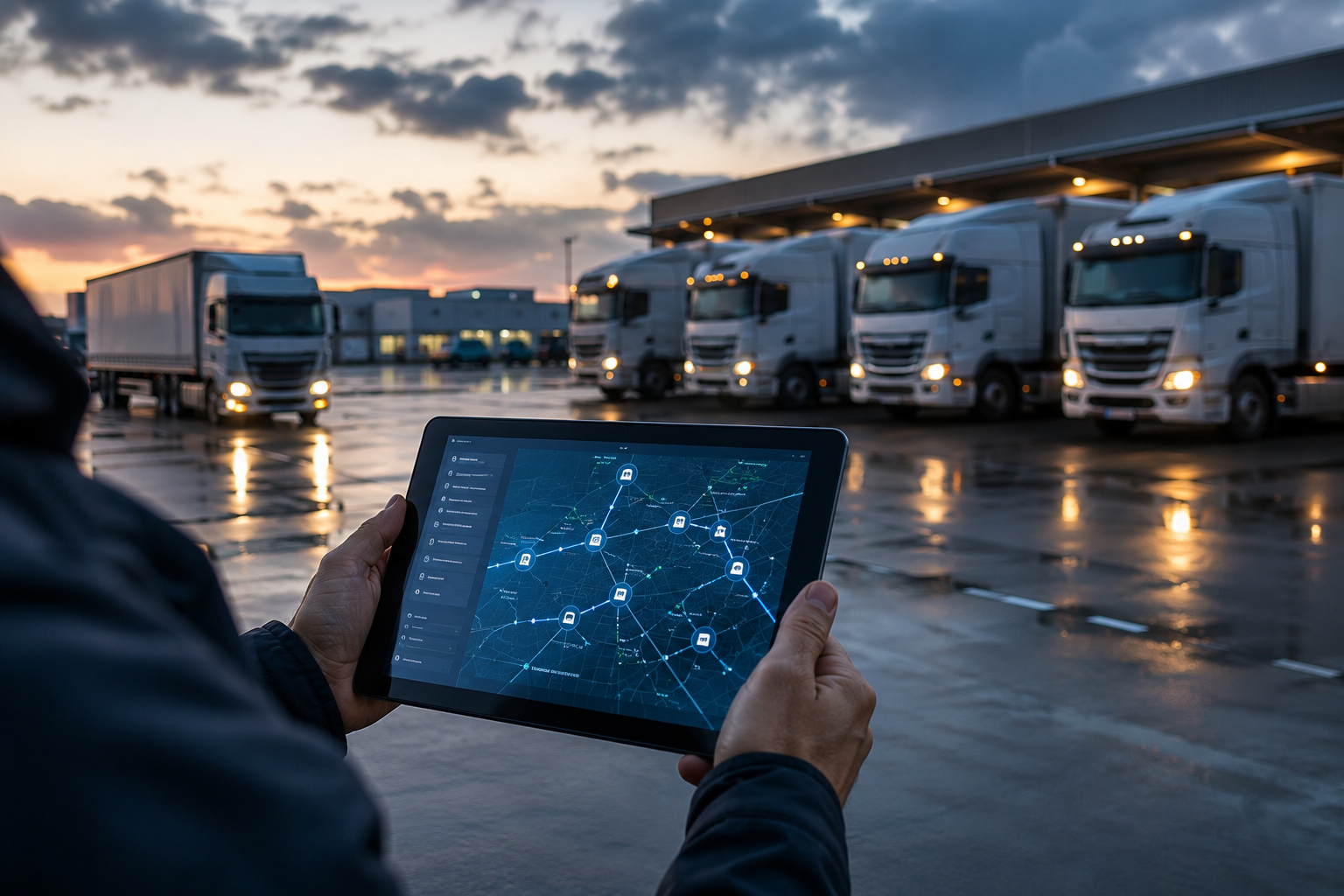
Many fleet operators invest in GPS tracking, telematics, and operational software, yet still struggle to answer a critical question: Where are operational issues occurring right now?
At Vrinsoft, we’ve worked with logistics businesses that had access to multiple tracking and reporting tools but lacked a unified view of their fleet operations. As a result, delivery delays, route deviations, vehicle downtime, and customer service issues were often identified only after they had already impacted performance.
Why Is Real-Time Fleet Visibility Important for Logistics Operations?
Without real-time visibility, logistics teams often operate reactively instead of proactively. This can lead to:
- Slower response times
- Reduced productivity
- Higher operating costs
- Poor resource allocation
- Customer service challenges
The issue is often not a lack of data but fragmented information across GPS platforms, fleet management systems, maintenance tools, ERP solutions, and driver applications.
How Does AI Fleet Management Improve Fleet Visibility?
AI-powered fleet management systems connect these data sources into a centralized operational view. By continuously analyzing vehicle locations, route progress, driver activity, maintenance status, and delivery performance, AI helps managers identify risks and respond before issues escalate.
Through our logistics software development projects, we’ve seen organizations achieve significantly better operational control when fleet data, visibility tools, and workflow management systems are connected within a single platform.
Challenge #5: Driver Safety and Compliance Risks Increase Operational Costs
Driver safety directly impacts operational efficiency, compliance, and profitability. A single incident can lead to vehicle downtime, insurance claims, regulatory penalties, and customer dissatisfaction.
As fleets expand, maintaining consistent safety standards becomes increasingly difficult.
How AI Technologies in Fleet Management Improve Safety
Traditional monitoring methods often identify problems after an incident occurs. AI changes this approach by continuously monitoring driver behavior and operational conditions in real time.
Modern AI technologies in fleet management can detect:
- Harsh braking
- Excessive speeding
- Sudden acceleration
- Driver fatigue indicators
- Distracted driving behaviors
This allows fleet managers to address potential risks before they result in accidents or compliance violations.
How Can AI Simplify Fleet Compliance Management?
Many logistics businesses must manage complex compliance requirements, including:
- Driver hours
- Vehicle inspections
- Maintenance records
- Transportation regulations
Managing these processes manually can be time-consuming and prone to errors.
AI can automate compliance monitoring, reporting, alerts, and documentation management, helping organizations reduce administrative workloads while maintaining regulatory standards.
The Role of Mobile Fleet Applications
During transportation software projects, we’ve seen growing demand for mobile-first solutions that keep drivers, dispatchers, and managers connected in real time.
Custom transport applications can support:
- Driver communication
- Route updates
- Incident reporting
- Compliance workflows
- Fleet monitoring
Challenge #6: Supply Chain Disruptions Make Logistics Planning More Difficult
Even the most efficient fleet can be impacted by factors outside its control.
Weather events, supplier delays, changing customer demand, traffic congestion, and capacity constraints can quickly disrupt delivery schedules and increase operational costs.
In complex logistics environments, we often see businesses collect valuable supply chain data but lack the predictive capabilities needed to identify risks and respond before disruptions impact deliveries.
This is where AI in supply chain management creates significant value.
How Can AI Help Predict Supply Chain Disruptions?
Unlike traditional planning methods that rely mainly on historical reports, AI-powered systems analyze multiple data sources in real time, including:
- Demand patterns
- Inventory levels
- Transportation data
- Weather conditions
- Supplier performance
- Market trends
By identifying patterns and potential risks, AI helps logistics teams improve forecasting, optimize resources, and prepare for disruptions before they impact operations.
Why Is It Important to Connect Fleet Management With Supply Chain Operations?
A common challenge in logistics is disconnected decision-making between fleet operations, inventory systems, and supply chain planning. AI fleet management solutions help bridge these gaps by connecting transportation data with broader business insights.
With AI, businesses can forecast demand, evaluate fleet capacity, optimize routes, and adjust delivery schedules to improve efficiency and maintain reliable operations.
Challenge #7: Turning Fleet Data Into Faster, Smarter Business Decisions
Most logistics businesses are not lacking data.
They are lacking actionable insights.
Fleet operators collect information from GPS systems, telematics devices, maintenance platforms, driver applications, warehouse systems, and customer portals every day. Yet many decision-makers still rely on disconnected reports and manual analysis.
Across fleet analytics projects, one recurring challenge is helping organizations transform large volumes of operational data into actionable insights that improve efficiency, reduce costs, and support better decision-making.
Why Are Logistics Companies Struggling to Use Their Fleet Data Effectively?
Traditional reporting typically answers one question: What happened?
AI helps answer more valuable questions:
- Why did it happen?
- What is likely to happen next?
- What action should be taken?
For example, instead of simply reporting increased fuel consumption, AI can identify the root causes, such as excessive idling, inefficient routing, or driver behavior, and recommend corrective actions.
How Does Artificial Intelligence Turn Fleet Data Into Actionable Insights?
Advanced artificial intelligence fleet management solutions help businesses analyze:
- Fleet performance
- Driver productivity
- Maintenance trends
- Route efficiency
- Operating costs
- Customer service metrics
These insights allow managers to make faster, data-driven decisions that improve operational efficiency and profitability.
Also Read: AI in Logistics: From Inventory Forecasting to Delivery Optimization
The Future of AI in Transportation: What Logistics Businesses Should Expect
The future of AI in transportation is not about replacing logistics professionals. It is about giving them better tools to make faster and more informed decisions.
Over the coming years, AI will continue transforming transportation through:
1. Autonomous Fleet Intelligence
While fully autonomous commercial fleets are still developing, AI-assisted transportation is already improving operations.
Future systems will increasingly support:
- Automated route decisions
- Intelligent vehicle coordination
- Advanced safety assistance
- Predictive operational planning
2. AI-Powered Digital Twins
A digital twin creates a virtual representation of a fleet or transportation network.
Businesses can use digital twins to:
- Simulate operational changes
- Test different strategies
- Predict outcomes
- Improve planning decisions
For example: A logistics company could simulate adding new vehicles before making a major investment.
3. Intelligent AI Assistants for Fleet Managers
Future fleet management platforms will include AI assistants capable of answering operational questions instantly.
Examples:
“Which vehicles require maintenance this month?”
“Which routes are creating the highest fuel costs?”
“Why are delivery delays increasing?”
Instead of manually reviewing reports, managers will receive immediate insights.
4. Connected Transportation Ecosystems
The future of transportation will rely on connected systems where:
- Vehicles communicate with platforms
- Warehouses share real-time information
- Customers receive accurate updates
- AI coordinates decisions across operations
This connected approach will become increasingly important as logistics networks become more complex.
Why Choose Vrinsoft Pty Ltd for AI Fleet Management Software Development?
Building a successful AI fleet management solution requires a deep understanding of logistics operations, transportation challenges, data management, and business objectives. As an AI software development company, Vrinsoft helps logistics businesses create customized solutions that improve efficiency, visibility, and decision-making.
Our approach focuses on understanding each business’s unique requirements before development begins. We analyze existing systems, operational workflows, and growth goals to design platforms that fit real-world transportation needs.
With expertise across software development, AI solutions, and transportation applications, Vrinsoft helps businesses build scalable fleet management platforms with capabilities such as:
- Predictive maintenance and real-time fleet analytics
- AI-powered route optimization and operational automation
- Integration with existing GPS, ERP, and fleet systems
- Driver communication and mobile transportation applications
- Data-driven insights to improve fleet performance
Whether you are modernizing an existing fleet management system or developing a new AI-powered transportation platform, we can help transform complex logistics challenges into practical technology solutions.
Frequently Asked Questions About AI Fleet Management
Here are answers to some of the most asked AI fleet management software related questions:
Q1. What is AI fleet management?
AI fleet management uses artificial intelligence, machine learning, and analytics technologies to improve fleet operations through automated insights, predictive maintenance, route optimization, and real-time decision-making.
Q2. How can AI help logistics companies reduce costs?
AI helps reduce logistics costs by optimizing routes, improving fuel efficiency, predicting vehicle maintenance needs, reducing downtime, and improving fleet utilization.
Q3. Is AI fleet management only suitable for large companies?
No. Businesses of different sizes can benefit from AI fleet management. The technology can be scaled based on fleet size, operational complexity, and business objectives.
Q4. What technologies are used in AI fleet management?
AI fleet management solutions commonly use technologies such as machine learning, predictive analytics, IoT sensors, GPS tracking, cloud computing, telematics, and data analytics to collect operational data and generate real-time insights.
Q5. Can AI integrate with existing fleet management software?
Yes. AI solutions can often be integrated with existing systems, including GPS platforms, ERP software, transportation management systems, and telematics solutions.
Transform Your Fleet Operations with AI-Powered Solutions
The future of fleet management is driven by smarter decisions, real-time insights, and connected technology. AI fleet management helps logistics businesses reduce operational costs, improve route efficiency, minimize downtime, enhance driver safety, and make faster decisions using actionable data.
At Vrinsoft Pty Ltd, we help transportation and logistics companies build customized AI-powered fleet management solutions designed around their workflows, business goals, and growth plans. From predictive maintenance and route optimization to system integration and mobile applications, our team helps businesses turn complex fleet challenges into scalable technology solutions.
If you’re ready to explore how AI can improve your fleet performance, contact us today and discover the right approach for building a smarter, more efficient transportation operation.