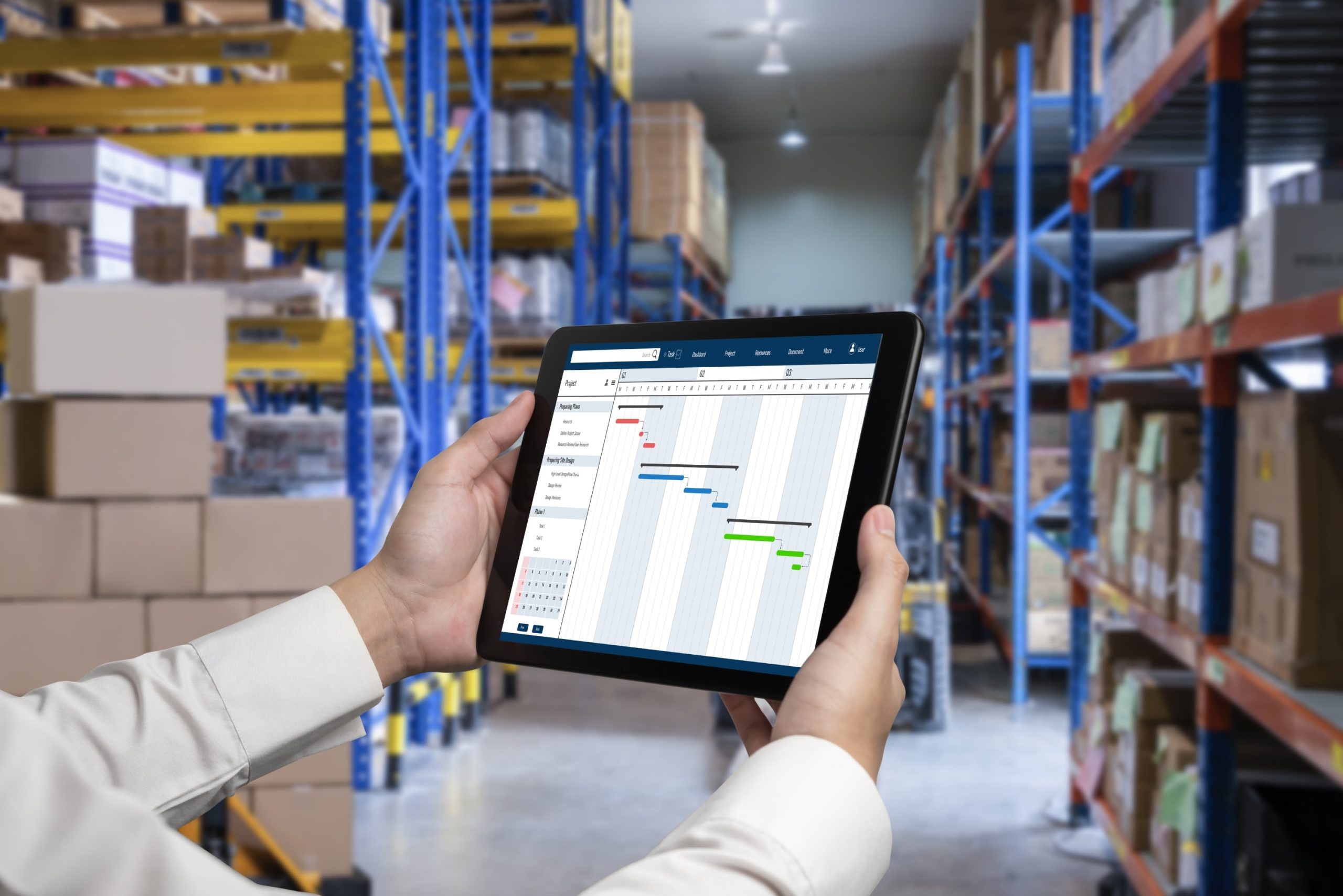


Logistics operations depend on working together. Things move between partners, customers, vehicles, and warehouses. When systems can’t talk to each other, things take longer. Late delivery of information. Teams have to do updates by hand. Partially complete data affects decisions.
Digital transformation in logistics aims to address these issues at a structural level. It links systems, streamlines processes, and gives a clear picture of how things are done at all locations. This method helps logistics companies in Australia, such as those in Melbourne, Sydney, Perth, Brisbane, and Adelaide, grow without putting more stress on their operations.
This guide explains what digital transformation means in logistics, why companies invest in it, how it is implemented, and when working with a digital transformation company, like Vrinsoft Pty Ltd becomes necessary.
What Digital Transformation in Logistics Means for Daily Operations?
Digital transformation in logistics refers to improving logistics processes by redesigning how systems, data, and teams work together. It is not limited to replacing software. It focuses on improving how work actually gets done.
In logistics, transformation often starts with data flow. Information from warehouses, transport operations, inventory systems, and reporting tools needs to move without friction. When these systems operate separately, teams lose time and accuracy.
Key areas where digital transformation applies include:
- Warehousing: IoT sensors and WMS track inventory in real-time.
- Transport: Cloud platforms and mobile apps coordinate fleets dynamically.
- Inventory Flow: Data analytics predict stock needs and prevent bottlenecks.
- Partner Visibility: Shared portals ensure everyone sees the same, accurate information.
Digital transformation in logistics differs from other industries because timing and coordination matter more than interface design. The goal is operational clarity rather than visual change.
Also Read: Benefit of Digital Transformation Services
Why Logistics Companies Invest in Digital Transformation
Most companies in logistics industry do not plan transformation projects from day one. The decision usually follows operational pressure that builds over time.
Growth often exposes system limits. Order volumes increase. Delivery routes becomes more complex. More partners enter the supply chain. Manual coordination struggles to keep up.
Common reasons logistics companies invest in digital transformation include:
- Difficulty managing operations across multiple warehouses
- Limited visibility across transport and inventory data
- Reporting delays that affect planning and forecasting
- Increased dependency on spreadsheets and manual updates
For Australian logistics businesses covering large geographic areas, these issues become more costly. Digital transformation helps reduce friction while improving consistency across operations.
What happens when transformation is delayed?
- You lose ground to more agile competitors.
- Customer satisfaction and retention rates drop.
- Costs rise as manual inefficiencies scale.
- Growth becomes painful, not profitable.
Logistics leaders often begin by defining priorities and constraints, which is why a clear digital transformation strategy for Australian businesses helps align systems, processes, and long-term operational goals before execution begins.
Operational Challenges That Push Logistics Teams Toward Transformation
Before digital transformation begins, logistics teams often deal with repeated issues that slow work and increase risk. These challenges are rarely isolated. They compound over time.
Common operational challenges include:
Disconnected Systems: Your TMS doesn’t talk to your WMS, forcing manual data re-entry.
Operational Inefficiencies: Drivers wait at docks because schedules are mismatched. Warehouse staff waste time searching for mislabelled stock.
Manual Processes: Paper-based manifests lead to errors, delays, and lost documents.
Lack of Visibility: You cannot answer a customer’s “where’s my shipment?” question instantly. You make blind decisions about inventory replenishment.
Disconnected systems are often the biggest barrier. When warehouse data does not align with transport schedules or inventory records, teams spend time reconciling information instead of managing operations.
Digital transformation addresses these challenges by connecting systems and simplifying how data flows between teams.
How Digital Transformation Improves Logistics Performance
Digital transformation improves logistics operations by replacing fragmented workflows with connected processes. Instead of chasing updates, teams work from a shared view of operations.
Key improvements logistics companies see after transformation include:
- Faster access to operational data across departments
- Better coordination between warehouse and transport teams
- Improved accuracy in inventory and order tracking
- Clearer reporting for operational and leadership decisions
These improvements reduce reactive decision making. Managers can plan routes, allocate resources, and respond to issues with confidence because data is current and reliable.
Over time, these gains support steady growth without increasing administrative workload.
Technologies Used in Logistics Digital Transformation
Technology plays a supporting role in logistics transformation. The focus remains on solving operational problems rather than adopting tools for their own sake.
Common technologies involved in logistics digital transformation include:
Cloud Platforms (AWS, Azure): Provide scalable, secure infrastructure accessible from remote depots and worksites.
Core Systems (WMS, TMS, ERP): The operational brain. Look for solutions with strong API-first architectures for easier warehouse management system integration.
IoT & Telematics: Provides real-time data on vehicle location, temperature (vital for cold chain), and cargo integrity.
Data Analytics & BI Tools: Transform operational data into actionable insights for forecasting and performance management.
As logistics networks grow more complex, data driven decision making becomes essential, making the role of AI in digital transformation increasingly relevant for forecasting, optimisation, and operational insights.
Critical Integration Patterns:
API-first vs. Legacy Point-to-Point: Modern API-led connectivity is essential for flexible integration with Australian carrier networks like Australia Post, StarTrack, and CouriersPlease.
Real-time Sync: Critical for inventory visibility and tracking updates. Batch processing creates dangerous delays.
Legacy System Bridging: Many businesses run older on-premise systems. A phased cloud migration strategy or middleware can bridge old and new.
Each technology serves a specific purpose. ERP systems centralise data. Cloud platforms allow teams to access information from any location. Mobile apps support on-ground operations. Analytics tools help leadership teams understand trends and performance. The success of digital transformation depends on how well these technologies integrate with existing processes.
A Step by Step Digital Transformation Roadmap for Logistics Companies
Successful digital transformation follows a structured approach. Rushing implementation often leads to rework and wasted investment.
A typical logistics digital transformation roadmap includes:
- Process assessment across warehouse, transport, and inventory operations
- Review of existing systems and data flows
- Integration planning to connect systems without disruption
- Custom software development where gaps exist
- Gradual rollout with testing in live operational environments
This phased approach reduces risk. It allows teams to adapt gradually while maintaining operational continuity.
Before committing budgets or timelines, many operations teams rely on a structured digital transformation checklist for businesses to assess readiness across systems, data, and internal capabilities.
Logistics transformation timelines vary. Smaller projects may take a few months. Larger enterprise level transformations often span multiple phases.
Real World Use Cases of Digital Transformation in Logistics
Digital transformation in logistics rarely looks the same across industries. Outcomes depend on operational complexity, compliance needs, and scale. Here are some use cases which can be applied to real world businesses in Australia.
1. E-commerce and 3PL Fulfilment (Melbourne/Sydney):
- Challenge: A third-party logistics company had to handle 5,000 or more SKUs for several online stores with 99.9% accuracy and ship them the same day.
- Before: Pick lists on paper, sorting by hand, and always having problems with inventory.
Technology - Stack: Cloud WMS works with e-commerce platforms like Shopify and Neto through APIs. Scanning guns that work on mobile devices.
- After: Picking by wave and putting things away by barcode. Shipping labels and carrier manifests that are automatically made by the system.Result: 35% more orders picked up every hour.99.95% accuracy in the inventory. Automated manifesting works perfectly with Australian carrier networks.
2. Cold Chain Logistics (National Food Distributor):
- Challenge: Maintaining unbroken temperature control for perishables from Perth to Eastern states, with compliance documentation.
- Before: Manual temperature logs, compliance panic during audits, product loss.
- Technology Stack: IoT temperature sensors + GPS telematics integrated into a central supply chain visibility platform.
- After: Real-time monitoring and alerts. Automated compliance reporting. Customers can view temperature history via portal.
- Result: Eliminated cargo loss from undetected temperature excursions. Cut audit preparation time from days to hours.
3. Heavy Haulage & Industrial (Mining Services, WA):
- Challenge: Scheduling complex multi-modal transports (road/rail/port) for oversized equipment with strict safety and permit requirements.
- Before: Disjointed planning across spreadsheets, email, and phone. High risk of costly delays.
- Technology Stack: Specialised heavy haulage TMS with permit management modules, integrated with driver mobile apps.
- After: Centralised digital job folder with permits, plans, and checklists. Electronic safety check-offs from drivers.
- Result: Reduced planning time by 50%. Near-zero permit-related delays. Improved safety audit trail.
Logistics teams evaluating next steps frequently review digital transformation examples to understand how similar organisations addressed system gaps and process inefficiencies.
Digital Transformation vs Automation in Logistics
Automation and digital transformation are related but not identical. Automation focuses on reducing manual tasks. Digital transformation focuses on improving the entire operational structure.
Key differences include:
- Automation targets specific tasks such as data entry
- Digital transformation redesigns end to end workflows
- Automation can exist without system integration
- Digital transformation prioritises data flow and coordination
Logistics companies can automate tasks without transforming operations. This often leads to short term gains but long term limitations. Digital transformation creates a foundation that supports automation at scale.
As logistics data volumes grow, many organisations adopt AI development services to support demand forecasting, route optimisation, exception detection, and operational planning across warehouses and transport networks.
When Logistics Companies Move From Research to Action
Logistics leaders often research digital transformation long before taking action. Certain internal signals usually trigger the shift from planning to execution.
Common signals include:
- Repeated delays caused by system limitations
- Growing reliance on manual coordination
- Difficulty scaling operations during peak periods
- Leadership concerns about data reliability
When these signals appear, many logistics companies assess whether internal teams can manage transformation alone or whether external support is needed.
Working With a Digital Transformation Company for Logistics
At a certain stage, logistics companies consider working with a digital transformation company. This decision is often driven by complexity rather than capability.
A digital transformation company typically supports logistics businesses through:
- Process analysis and system planning
- Custom software development aligned with operations
- Integration of existing platforms and tools
- Ongoing support during rollout and optimisation
When internal teams lack experience managing large scale change, logistics companies often evaluate guidance on choosing a digital transformation consultant in Melbourne to reduce risk and improve execution outcomes.
Working with a partner helps reduce rework and misalignment. It also brings experience from similar logistics environments. Vrinsoft Pty Ltd works with logistics businesses to plan and execute transformation initiatives that align technology decisions with operational needs.
Digital Transformation for Logistics Companies in Australia
Australian logistics businesses face unique challenges. Long distances, regional operations, and regulatory requirements influence how systems are designed and used.
Digital transformation in Australia often focuses on:
- Supporting operations across large geographic areas
- Managing data consistency between urban and regional hubs
- Meeting compliance and reporting requirements
- Scaling operations without increasing administrative load
Logistics companies in cities such as Melbourne, Sydney, Perth, and Brisbane often operate within broader national networks. Digital transformation helps maintain consistency across these locations.
Not all logistics providers operate at enterprise scale, and many regional operators apply digital transformation strategies for small businesses to improve coordination without overhauling every system at once.
Key Differences Between Traditional Logistics Systems and Digitally Transformed Operations
| Area | Traditional Logistics Setup | Digitally Transformed Operations |
|---|---|---|
| Data Access | Delayed and fragmented | Real time and centralised |
| Coordination | Manual updates | System driven workflows |
| Reporting | Periodic and manual | Continuous and automated |
| Scalability | Limited by processes | Supported by system design |
This comparison highlights why many logistics companies move toward digital transformation as operations grow.
For supply chains involving multiple partners and handoffs, blockchain development services are used to maintain shared records, improve traceability, and reduce reconciliation issues between logistics stakeholders.
Common Digital Transformation Mistakes in Logistics
Learning from failure is crucial. Here are common pitfalls and their warning signs.
1. Buying Software Before Process Mapping.
- Mistake: Selecting a new WMS or TMS without first documenting and optimising current workflows.
- Result: You automate inefficiency. The expensive new system fails to deliver ROI.
- Red Flag: Vendors who promise an “out-of-the-box” solution with no deep discovery phase.
2. Underestimating Change Management.
- Mistake: Focusing 90% on technology and 10% on people. Warehouse staff and drivers reject the new tools.
- Result: Low adoption, workarounds, and project failure.
- Warning Sign: Project communication is only top-down, with no input from end-users during design.
3. Ignoring Mobile Workforce Needs.
- Mistake: Choosing a powerful back-office system with a poor mobile interface or no offline functionality for drivers in remote areas.
- Result: Critical data isn’t captured at the source, breaking the digital chain.
- Solution Requirement: Any digital solution must have a robust, user-friendly mobile component designed for real-world conditions.
4. Poor Data Migration Planning.
- Mistake: Assuming all old data can be simply dumped into the new system.
- Result: The new system starts with corrupted or unusable data (“garbage in, gospel out”).
- Indicator: No clear data cleansing and validation plan in the project timeline.
Mobile App Development for Logistical Transformation in Australia
Our geography makes this non-negotiable. A transformation fails if it doesn’t reach the field. That’s why most logistic business invest in app developers in Australia to build a necessary system across the board.
Essential Mobile Tools:
- Driver & Crew Apps: For digital POD, electronic work diaries, pre-start checklists, and real-time job updates.
- Warehouse Scanning Apps: On smartphones or rugged devices for receiving, picking, and inventory counts.
Critical Features for Australia:
- Offline-First Functionality: Must work in tunnels, remote highways, and underground mines, syncing when back in range.
- Rugged Hardware Choices: Tablets and scanners must withstand heat, dust, and moisture common on worksites.
- Simple UX: Intuitive interfaces that require minimal training for high-turnover roles.
Warehouse teams, drivers, and field staff often depend on real time access to information, which explains how mobile apps support digital transformation across industries, including logistics and supply chain operations.
Choosing the Right Transformation Partner
The right partner de-risks the journey. For Australian logistics companies, a local partner like Vrinsoft Pty Ltd offers distinct advantages.
Hire a partner when you:
- Lack in-house integration expertise for complex ERP implementation.
- Need an objective strategy, not tied to a single software vendor.
- Want guidance on Australian data regulations and local carrier integrations.
What to look for:
- Proven Australian Logistics Experience: Ask for case studies in your specific sector (e.g., cold chain in Brisbane, heavy haulage in Perth).
- Technology-Agnostic Approach: They should recommend the best-fit tech, not just what they resell.
- End-to-End Capability: From strategy and custom development (for unique needs) to integration, change management, and support.
Final Thoughts for Logistics Leaders
Digital transformation in logistics is a strategic decision. It affects how teams work, how systems connect, and how decisions are made. The goal is not rapid change but sustainable improvement.
Logistics leaders should focus on:
- Understanding current operational gaps
- Defining clear outcomes before selecting technology
- Planning transformation in phases
- Aligning internal teams around shared data and processes
For logistics businesses evaluating next steps, reviewing how a digital transformation company approaches logistics projects can help avoid costly missteps.
Vrinsoft Pty Ltd supports Australian logistics companies through structured digital transformation services that focus on operational clarity and long term value.
To discuss your logistics transformation requirements, you can contact us directly.
Phone: 0480027297
Email: sales@vrinsoft.com.au