
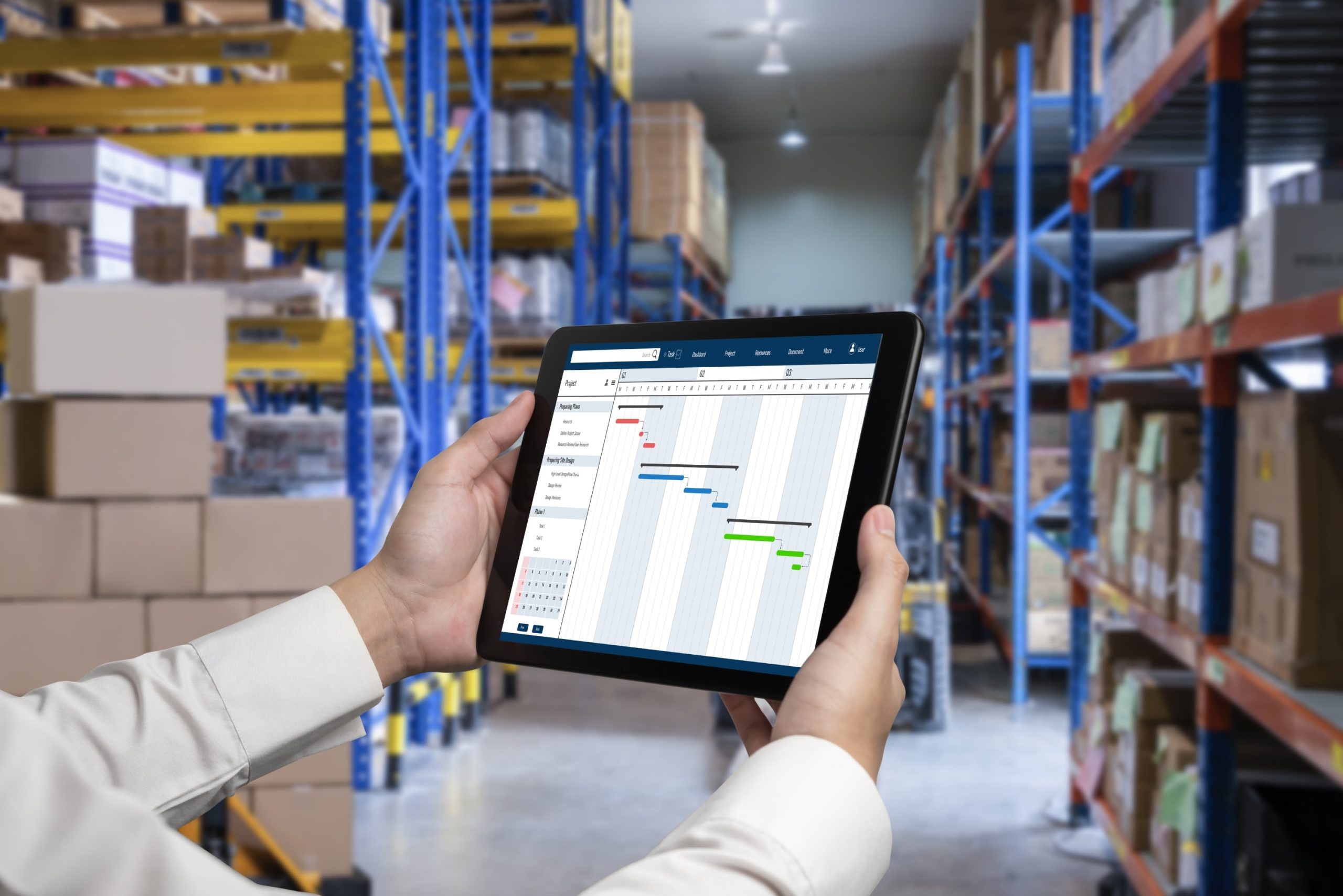

Thinking about logistics software development for your transport business in Australia? Wondering whether the investment is really worth it?
Running a logistics operation today is more complex than ever. Shipments move across cities, warehouses handle constant inventory movement, drivers follow tight delivery schedules, and customers expect real-time updates about their orders.
Now think about your daily operations.
How much time does your team spend managing dispatching, tracking shipments, or coordinating drivers manually?
Many transport companies still rely on spreadsheets, disconnected tools, or outdated systems. These methods may work for a while, but as shipment volumes increase, they often create delays, inventory mismatches, and limited visibility into delivery performance.
That’s why more transport companies are investing in logistics software development to automate workflows, improve shipment tracking, and manage fleet operations more efficiently.
At Vrinsoft Pty Ltd, our experienced logistics software developers in Australia work closely with transport and logistics businesses to build platforms designed around real operational challenges.
Before investing in custom logistics software development, most transport companies ask two important questions.
- How much does logistics software cost in Australia?
- What features should a modern logistics platform include?
Let’s examine both.
Why Australian Transport Companies Are Investing in Logistics Management Software
Australia has one of the largest logistics networks in the world. Freight moves across large distances between ports, warehouses, distribution centers, and cities.
According to the Australian Logistics Council, the logistics industry contributes more than $130 billion to the Australian economy, highlighting how critical efficient transport operations are for businesses across the country.
Managing this network without the right digital tools can lead to operational challenges such as,
- Delivery delays caused by manual route planning
- Dispatch teams spending hours assigning vehicles and drivers
- Limited shipment visibility for customers
- Inventory mismatches across warehouses
- Lack of data to evaluate performance
This is why many companies are investing in logistics management software and transport logistics software.
A modern logistics management system centralises operations into one platform that connects dispatching, shipment tracking, fleet monitoring, and warehouse management.
Businesses researching solutions often evaluate existing platforms such as freight management software Australia providers or other logistics management solutions. While these systems may support basic needs, many transport companies eventually require a platform designed around their own workflow.
That is where custom software development for logistics becomes valuable.
How to Know When Your Business Needs a Logistics Management System
Many transport companies continue operating with spreadsheets or disconnected tools for years before realising that their operations have outgrown those systems.
If your team is experiencing any of the situations below, it may be time to consider custom logistics software development or a full logistics management system.
Common signs include,
- Dispatchers spending hours assigning vehicles and planning routes manually
- Customers frequently calling for shipment updates due to a lack of tracking visibility
- Difficulty tracking fleet availability across multiple delivery routes
- Inventory mismatches between warehouses and delivery records
- Managers struggling to generate reliable operational reports
When these issues begin affecting daily operations, investing in transport logistics software can significantly simplify coordination.
Key Features to Expect from Logistics Software Development Solutions
When companies start planning logistics software development services, one of the first questions involves selecting the right features.
Every logistics business operates differently. A freight company may prioritise fleet tracking, while a distribution company may require strong warehouse management capabilities.
However, most successful transportation and logistics software platforms include several core components.
1. Fleet Management System
Fleet management sits at the center of most logistics operations. Businesses need visibility into vehicle locations, driver schedules, and maintenance requirements.
A strong fleet management module allows transport companies to monitor vehicle performance while coordinating deliveries more effectively.
Typical fleet management capabilities include,
- Real-time vehicle tracking
- Driver scheduling and assignment tools
- Vehicle maintenance reminders
- Fuel consumption monitoring
- Fleet performance reports
These features allow dispatch teams to manage larger fleets without increasing manual workload.
2. Real-Time Shipment Tracking
Shipment visibility plays an important role in customer satisfaction.
With real-time tracking tools, both logistics teams and customers can monitor shipment movement from pickup to delivery. GPS tracking systems provide updates about location, delivery progress, and estimated arrival time.
Common shipment tracking features include,
- GPS-enabled shipment tracking
- Delivery status notifications
- Estimated arrival time calculations
- Customer tracking portals
- Automated delivery updates
These tools reduce the number of customer support requests related to shipment status.
3. Route Planning and Optimisation
Planning delivery routes manually becomes difficult when managing multiple shipments across cities or regions.
Route optimisation tools use mapping data and traffic information to determine the most efficient delivery paths.
This helps transport companies reduce fuel costs while improving delivery timelines.
Key route management features include,
- Automatic route generation
- Traffic condition updates
- Multi-stop route planning
- Delivery time window management
- Route adjustments for delays
Companies using optimised routes often increase daily delivery capacity.
4. Warehouse and Inventory Management
For logistics companies operating warehouses, inventory visibility is extremely important.
Warehouse management modules help businesses monitor incoming goods, track stock levels, and coordinate order fulfillment.
Core warehouse management capabilities often include,
- Inventory tracking across warehouse locations
- Barcode or QR code scanning
- Order picking and packing workflows
- Warehouse transfer monitoring
- Low stock alerts
These features allow warehouse teams to maintain better inventory accuracy.
5. Delivery Management and Proof of Delivery
Delivery confirmation is an essential step in logistics operations.
Delivery management tools allow drivers to record proof of delivery through mobile applications. This creates digital records that confirm shipments reached the correct recipient.
Common proof of delivery options include,
- Customer signature capture
- Photo verification
- Timestamped delivery records
- Driver location verification
- Automated delivery notifications
Digital confirmation reduces delivery disputes and improves record-keeping.
6. Dispatch Management System
Dispatch teams coordinate drivers, vehicles, and deliveries throughout the day.
Without proper tools, dispatch planning becomes time-consuming and difficult to scale.
Dispatch management modules allow companies to automate driver assignments and balance workloads across fleets.
Key dispatch features often include,
- Automated driver assignment
- Delivery task scheduling
- Load balancing across vehicles
- Real-time driver communication
- Delivery updates and rerouting
Businesses implementing a logistics management system often see major improvements in dispatch efficiency.
7. Data Analytics and Performance Reporting
A logistics operation produces large amounts of data every day. Without analytics tools, businesses struggle to understand operational performance.
Reporting modules provide insights into delivery efficiency, fleet usage, fuel costs, and driver productivity.
Common reporting tools include,
- Delivery success rate reports
- Fleet utilisation analytics
- Route efficiency tracking
- Driver performance reports
- Operational cost analysis
When transport companies work with experienced partners such as Vrinsoft Pty Ltd, analytics capabilities are often built directly into the software platform to help leadership teams make informed operational decisions.
Essential Integrations for Modern Transportation and Logistics Software
A modern transportation and logistics software platform rarely works in isolation. Most logistics systems connect with several external tools to support daily operations.
Common integrations include,
- GPS tracking systems for real-time vehicle location data
- Accounting software for invoicing and financial reporting
- Warehouse management systems for inventory coordination
- Mapping services for route optimisation and traffic updates
- Customer portals that provide shipment tracking and notifications
These integrations help create a complete logistics management system where operational data flows across departments.
Cost of Custom Logistics Software Development in Australia
After reviewing potential features, the next question usually involves cost.
The price of logistics software development varies depending on feature complexity, system integrations, mobile applications, and infrastructure requirements.
However, typical project ranges provide a useful reference point.
(A) Basic Logistics Software
Basic platforms usually include shipment tracking, simple fleet monitoring, and limited reporting tools.
Estimated cost range:
AUD 30,000 – AUD 60,000
These systems are commonly used by startups or small transport companies beginning their digital transition.
(B) Mid-Level Logistics Platforms
Mid-level solutions include route optimisation, fleet management, dispatch automation, and warehouse modules.
Estimated cost range:
AUD 60,000 – AUD 120,000
Many growing transport businesses select this level since it supports daily operations more comprehensively.
(C) Enterprise Logistics Platforms
Enterprise-level software supports large-scale operations involving multiple warehouses, large fleets, advanced analytics, and system integrations.
Estimated cost range:
AUD 120,000 – AUD 250,000+
Large logistics companies operating nationwide often invest in enterprise platforms.
Read More: How Much Does It Cost to Develop Software in Australia
Factors That Influence Logistics Software Development Cost
The final investment required for custom logistics software development depends on several technical and operational elements.
1. Platform Complexity
Software supporting fleet management, route optimisation, warehouse management, dispatch systems, and analytics requires more development time than basic shipment tracking tools.
The greater the feature scope, the higher the development investment.
2. Mobile Applications for Drivers
Many modern transportation and logistics software platforms include mobile apps that drivers use for receiving delivery tasks, updating shipment status, and capturing proof of delivery.
Mobile development adds additional project scope.
3. Third Party Integrations
Logistics systems often connect with other platforms such as,
- GPS tracking devices
- accounting software
- ERP platforms
- mapping services
- payment systems
Each integration requires development work and testing.
4. Cloud Infrastructure
Cloud-based hosting allows logistics platforms to handle large data volumes and growing user activity.
Infrastructure setup, security configuration, and storage requirements influence total project costs.
Custom Logistics Software vs Freight Management Software Australia Platforms
Many businesses researching freight management software Australia options face a common decision. Should they purchase an existing SaaS platform or invest in custom logistics software development?
Both approaches can support logistics operations, but they serve different types of companies.
Off-the-shelf logistics management software usually offers standard features such as shipment tracking, fleet monitoring, and reporting tools. These platforms can work well for companies with simple workflows.
However, businesses managing specialised freight operations, complex delivery routes, or multi-warehouse distribution networks often require custom logistics management solutions.
Custom systems allow companies to:
- Build features around their existing workflow
- Integrate with accounting or ERP systems already in use
- Scale the platform as fleet size increases
- Adjust dispatching and reporting processes as operations evolve
This flexibility is why many growing transport companies eventually transition from generic tools to custom software development for logistics.
Why Custom Logistics Platforms Are Becoming More Popular
Many companies initially consider readymade platforms such as freight management software Australia tools or other logistics software Australia products.
These systems can support standard operations. However, as logistics businesses expand, they often require systems tailored to their exact processes.
Custom platforms allow transport companies to control how dispatching works, how shipments are tracked, how warehouses operate, and how reporting data is generated.
Another benefit involves scalability. Businesses that expand their fleets, open additional warehouses, or enter new delivery markets require software that can grow with them.
This is why many companies choose custom logistics software development rather than relying solely on off-the-shelf tools.
Logistics Software for Small Business and Growing Transport Companies
Smaller transport companies often assume advanced software systems are only useful for large logistics enterprises.
In reality, logistics software for small business operations can provide major advantages even for companies with limited fleets.
Smaller companies often gain benefits such as,
- Faster dispatch coordination
- Accurate delivery tracking
- Improved customer communication
- Better control over fleet operations
- Access to operational performance reports
These capabilities allow small logistics businesses to compete more effectively in the transport market.
Choosing the Right Logistics Software Development Company in Australia
Choosing the right development partner is one of the most important decisions in a logistics technology project.
A software development company should understand real transport operations, including route planning, warehouse coordination, and delivery management.
Businesses operating in major transport hubs such as Brisbane, Sydney, and Melbourne often prefer working with experienced logistics software developers in Sydney and across Australia who understand regional freight networks and delivery challenges.
At Vrinsoft Pty Ltd, our team builds logistics management software and transport logistics software platforms tailored for Australian logistics businesses. Our developers work closely with transport companies to design systems that support dispatch teams, warehouse staff, drivers, and management teams within a single platform.
Future Technology Trends in Logistics Software Australia
Logistics technology continues evolving as businesses look for better ways to manage complex supply chains. Companies researching logistics software Australia solutions often look for platforms that can support future technological capabilities.
Several trends are shaping the next generation of logistics management software.
- First, artificial intelligence is helping businesses analyse delivery data to predict delays and improve route planning.
- Second, automation tools are reducing manual dispatch work and improving delivery scheduling.
- Third, advanced analytics tools allow logistics companies to evaluate performance across fleets, warehouses, and delivery regions.
- Fourth, mobile driver applications are becoming a standard feature of modern transport logistics software, giving drivers instant access to delivery instructions and proof of delivery tools.
When businesses partner with experienced development teams such as Vrinsoft Pty Ltd, these technologies can be integrated into custom platforms designed for long-term operational growth.
Frequently Asked Questions About Logistics Software Development
Here are answers to some common questions businesses often ask when considering logistics software development solutions.
1. How much does logistics software development cost in Australia?
Logistics software development costs in Australia depend on platform complexity, integrations, and features. Basic systems may start around AUD 30,000, while advanced logistics platforms can exceed AUD 200,000.
2. What features should a modern logistics software platform include?
A modern logistics platform typically includes fleet management, real-time shipment tracking, route optimisation, warehouse management, and analytics tools. These features help transport businesses improve visibility and operational efficiency.
3. Why do companies choose custom logistics software development?
Companies choose custom logistics software development to build platforms tailored to their workflows. Custom software solutions allow integration with existing systems and provide flexibility as logistics operations grow.
Read More: Questions to Consider When Hiring a Custom Software Developer
4. How long does it take to develop logistics software?
The timeline for logistics software development depends on system complexity. Basic platforms may take three to four months, while enterprise logistics software with integrations can take nine months or longer.
5. How can logistics software improve transport operations?
Logistics software improves transport operations by automating dispatching, optimising delivery routes, and enabling real-time shipment tracking. These tools help companies reduce delays, improve coordination, and enhance customer service.
Build Smarter Logistics Operations with Vrinsoft Pty Ltd
Managing a growing logistics operation is not easy. As shipment volumes increase, delivery routes expand, and customer expectations rise, relying on spreadsheets or disconnected tools can quickly slow down your entire workflow.
What if your dispatching, fleet tracking, warehouse coordination, and delivery monitoring could all run through one powerful platform designed specifically for your business?
At Vrinsoft Pty Ltd, we specialise in custom logistics software development for transport and logistics companies across Australia. Our experienced team of logistics software developers in Australia works closely with businesses to design scalable platforms that simplify dispatching, improve shipment visibility, and give management teams better control over operations.
Instead of forcing your team to adapt to generic tools, we build transportation and logistics software solutions tailored to the way your business actually operates.
If you are planning to upgrade your systems or explore logistics software development services, our team can help you evaluate the right features, integrations, and platform architecture for your logistics operations.
Contact the Vrinsoft Pty Ltd team today to discuss your business challenges and explore how custom logistics software development can help.