
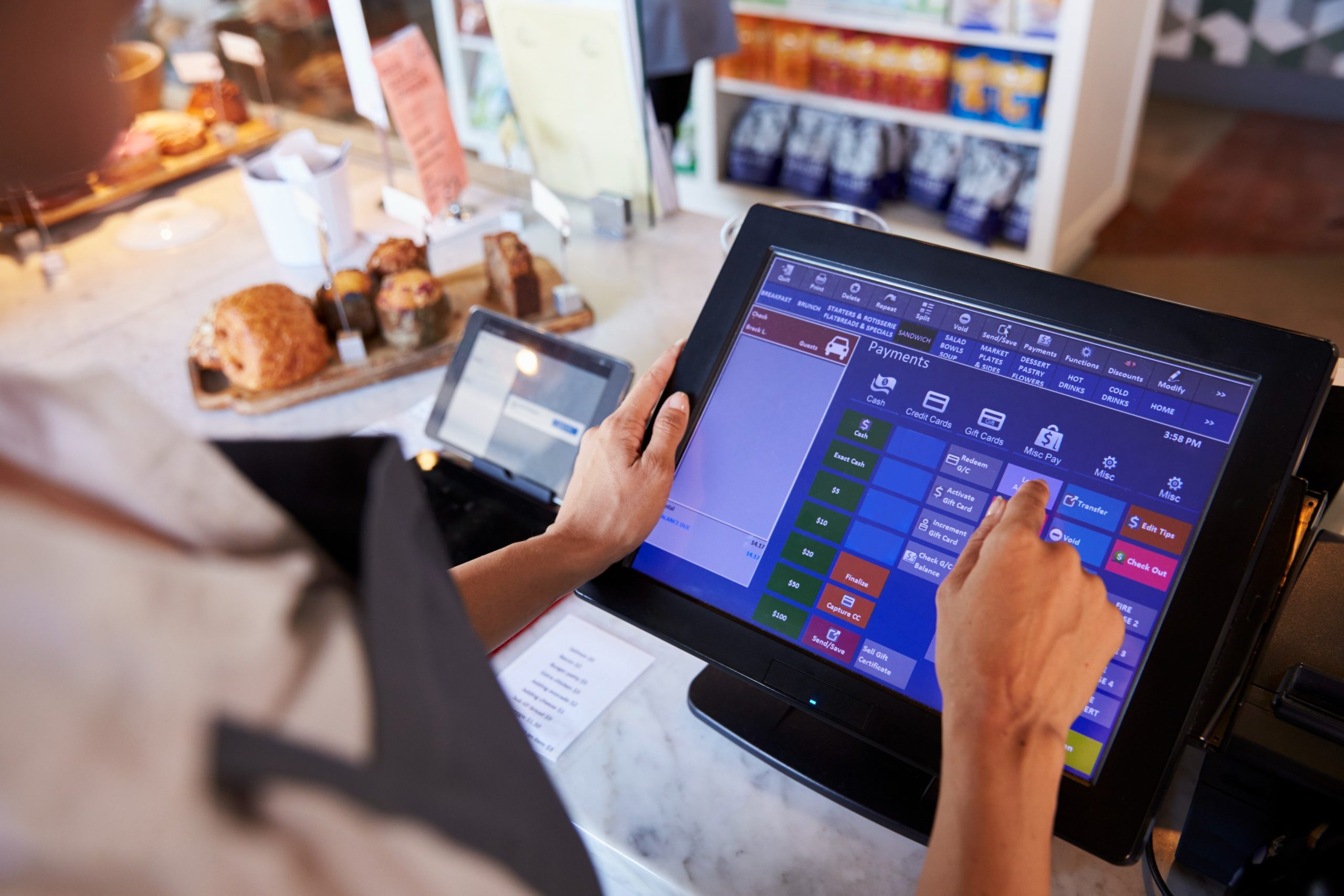

How many orders did your restaurant handle yesterday? And how many of them required manual checking?
Across Australia, restaurants are juggling dine-in, takeaway, and delivery all at once. Order volumes are climbing, service windows are shrinking, and customer tolerance for delays has dropped dramatically. Yet many restaurant owners still rely on disconnected tools that slow decisions and hide issues, until costs rise or service slips.
Are you manually checking stock levels at the end of the day? Do staff constantly switch between screens during peak hours? Are delivery orders coming separately from your POS system?
These gaps create stress long before they appear in reports. Every mistake, delay, or missed order chips away at profits and customer trust.
This is where restaurant management software transforms how your business operates. When orders, inventory, staff activity, and reporting sit inside one system, you gain clarity without constant follow-ups. Mistakes drop. Service becomes more consistent. Decisions stop relying on guesswork.
At Vrinsoft Pty Ltd, we build custom restaurant management software based on real workflows and daily operational needs. In this guide, we’ll walk you through,
- What restaurant management software is and why restaurants use it
- Types of restaurant management software
- Must-have features in the best restaurant management software
- How restaurant management software development works
- Restaurant management software development costs in Australia
By the end, you’ll know which solution supports growth before operational pressure starts limiting performance.
What Is Restaurant Management Software?
Restaurant management software is a centralised system designed to run your restaurant from one place. Instead of juggling separate tools for billing, inventory, staff management, and reporting, everything connects through a single platform.
From an owner’s point of view, this means fewer manual updates and clearer answers to practical questions such as,
- Which menu items are driving revenue this week
- Where food costs are creeping up
- Whether stock levels match actual usage
- How each branch performs during peak hours
Many restaurants begin with basic restaurant software or off-the-shelf tools. At first, that works. As operations grow, those tools start shaping your workflow instead of supporting it. That is usually when restaurant management software development becomes the next logical step. Custom systems adapt to how your restaurant actually functions rather than forcing your team to work around limitations.
Types of Restaurant Management Software
Not all restaurant software serves the same purpose. Understanding the types helps you avoid paying for tools you do not need while missing features you actually rely on.
1. Restaurant POS Software
Restaurant POS software handles orders, payments, and communication between front-of-house and kitchen teams. It is the starting point for most restaurants.
Typical capabilities include,
- Order handling for dine-in, takeaway, and delivery
- Support for cash, card, and digital payments
- Kitchen display or ticket printing
- Shift-wise and daily sales summaries
POS systems handle transactions well, but many lack deeper visibility into inventory usage and performance patterns. That gap becomes noticeable as your restaurant gets busier.
2. Restaurant Inventory Software
Inventory management software for restaurants tracks ingredients, raw materials, and supplies in real time. Stock levels update automatically based on orders processed through restaurant POS software, giving owners a clear view of usage, wastage, and purchasing patterns.
Restaurant owners value this because it provides,
- Ingredient-level stock tracking
- Reduced wastage and over-ordering
- Supplier records and purchase history
- Alerts for low stock and reorder points
Inventory software for restaurants directly impacts profit margins. Many owners only realise how much money is tied up in wastage or emergency purchases once inventory tracking becomes consistent.
3. End-to-End Restaurant Management Software
End-to-end restaurant management software brings POS, inventory, staff management, and reporting into a single system.
This setup suits,
- Multi-location restaurants
- Franchise operations
- Businesses planning steady expansion
- Owners who want real-time visibility
These systems usually include role-based access, centralised dashboards, and branch-level performance comparisons. When people refer to the best restaurant management software, they are usually talking about this complete solution.
4. Restaurant Mobile Apps
Restaurant mobile apps extend your system beyond the counter and desktop screens.
They can be built for,
- Customers placing orders or reservations
- Loyalty programs and promotions
- Staff order handling and updates
- Owner access to live reports
Restaurant app development supports faster service and smoother customer journeys. Mobile app development for restaurants also helps teams manage peak hours with fewer mistakes and delays.
Key Features to Include in Restaurant Management Software
Choosing features based on real operations matters more than copying competitors. Below are the features restaurant owners across Australia consistently ask for.
(A) Core Operational Features
- POS integration across all service types
- Inventory tracking tied directly to menu items
- Supplier and purchase order management
- Multi-location control from one dashboard
These features reduce manual coordination and improve daily accuracy.
(B) Customer-Focused Features
- Online ordering and table reservations
- Loyalty programs linked to POS data
- Customer feedback tracking
- Order history for repeat customers
Customer-facing tools influence repeat business and average order value.
(C) Staff and Admin Features
- Staff scheduling and shift planning
- Attendance and role permissions
- Task assignments for kitchen and floor staff
- Performance summaries by role
Better visibility into staff activity reduces confusion during busy periods.
(D) Reporting and Business Insights
- Sales performance by item and category
- Stock usage and wastage reports
- Location-wise performance comparisons
- Peak hour and demand analysis
These insights help you make faster decisions instead of relying on gut feeling.
Custom Restaurant Management Software vs Off-the-Shelf Tools
Off-the-shelf restaurant software works well when operations are simple. As your restaurant grows, limitations appear.
Custom restaurant management software development allows,
- Workflows built around your menu and service style
- Integration with the delivery platforms and payment systems you already use
- Control over future updates
- Ownership of your business data
Custom systems grow with your restaurant instead of forcing constant compromises.
Restaurant Management Software Development Process
Restaurant management software development focuses on building systems that match real restaurant workflows rather than forcing teams to adjust to rigid tools. For Australian restaurant owners, this process starts with operational clarity and ends with software that supports daily service, inventory control, staff coordination, and future expansion.
If you have never built custom software before, the process might feel unclear. Here is how restaurant management software development typically works,
Step 1: Understanding Your Restaurant Operations
This step focuses on how your restaurant actually runs.
It covers,
- Menu structure, pricing rules, and modifiers within restaurant POS software
- Order flow from customer touchpoints to kitchen systems
- Inventory handling using inventory management software for restaurants
- Reporting needs tied to sales, stock usage, and business growth
The clearer this stage is, the smoother the development becomes.
Step 2: UX and System Design
Design focuses on usability for every role within the restaurant.
This includes,
- POS screen layouts for fast order entry
- Kitchen display designs aligned with service flow
- Mobile-friendly admin views for owners and managers
- Dashboard views showing sales, inventory, and staff activity
Good design reduces training time and daily friction.
Step 3: Development and Integrations
This is where restaurant management software development moves into execution.
Development includes,
- Restaurant POS software logic and inventory automation
- Payment gateway integration for dine-in, takeaway, and delivery
- Delivery platform connections within the same system
- Restaurant app development modules linked to core software
At this stage, choosing the right restaurant app developer matters because errors here affect daily operations
Step 4: Testing and Deployment
Before launch, the system is tested using real restaurant scenarios.
This involves,
- Order simulations during peak service hours
- Inventory deduction validation through live orders
- Role-based access testing for staff and managers
- Staff onboarding and system walkthroughs
A smooth launch prevents disruptions during service hours.
Step 5: Ongoing Support and Scaling
After launch, continued support keeps the restaurant software aligned with business changes.
This includes,
- Feature updates
- Performance improvements
- New branch onboarding
- Security and data protection updates
Custom restaurant management software grows alongside your restaurant rather than limiting future plans.
Restaurant App Development as Part of the Ecosystem
If you are running a restaurant today, you already see how much customer behaviour has shifted toward mobile ordering. Guests want faster ordering without waiting for staff.
As an owner, you want to check sales, orders, and performance without being tied to the counter. Your team needs tools that reduce back-and-forth during peak hours. Restaurant mobile app development addresses these needs when it is built with your operations in mind.
A well-built restaurant app can,
- Reduce order errors by sending customer requests directly into your kitchen system
- Speed up service during rush hours by shortening order processing time
- Support loyalty programs linked to actual customer purchases
- Provide live performance updates so you can track sales and order flow in real time
- Help staff coordinate orders without constant verbal communication
When restaurant app development is part of your core restaurant management software, everything stays connected. Orders placed through the app update your restaurant’s POS software automatically. Inventory levels adjust without manual input. Reports reflect real activity across all service channels.
Instead of acting as a separate tool, the app becomes part of how your restaurant runs every day, giving you better control, clearer visibility, and smoother service across locations.
Restaurant Management Software Development Cost in Australia
Cost is often the first question restaurant owners ask. The answer depends on the scope rather than fixed pricing.
(A) Factors That Influence Cost
- Number of modules such as POS, inventory, and reporting
- Single location vs multi-location setup
- Inclusion of restaurant mobile apps
- Third-party integrations
(B) Estimated Cost Ranges
While pricing depends on scope and complexity, typical restaurant management software development costs in Australia fall within these ranges:
- Basic restaurant software with POS and reporting: AUD 8,000 to AUD 15,000
- Restaurant POS software with inventory and supplier management: AUD 15,000 to AUD 25,000
- Full restaurant management software for multi-location operations: AUD 25,000 to AUD 45,000
- Restaurant mobile app development cost: AUD 10,000 to AUD 30,000, depending on platforms and features
Custom development prioritises operational clarity, scalability, and long-term ownership rather than short-term pricing shortcuts.
Why Restaurant Owners in Australia Work with Vrinsoft Pty Ltd?
If you are planning custom restaurant management software development, working with an experienced restaurant app development company makes a measurable difference. Vrinsoft Pty Ltd partners with restaurant owners across Australia to build systems that align with kitchen workflows, staff coordination, inventory tracking, and management oversight.
Vrinsoft Pty Ltd works closely with restaurant owners across Australia to build systems that reflect how kitchens, staff, and managers actually operate.
With Vrinsoft Pty Ltd, you get,
- Custom restaurant management software built around your business
- POS, inventory, and reporting systems designed together
- Restaurant app development handled as part of one system
- Local understanding of Australian restaurant operations
As a software development partner, Vrinsoft Pty Ltd focuses on long-term system reliability rather than quick delivery with hidden limitations.
Frequently Asked Questions About Restaurant Management Software
Here are clear answers to common questions restaurant owners across Australia ask,
Q1. What is the best restaurant management software for small cafes?
A: For small cafes, a restaurant POS software combined with inventory tracking and basic reporting usually works well. As daily orders increase and menus expand, custom restaurant management software offers better control and visibility.
Q2. How much does restaurant mobile app development cost in Australia?
A: Restaurant mobile app development cost in Australia usually falls between AUD 10,000 and AUD 30,000. Pricing depends on features, platforms, and integration with restaurant management software and POS systems.
Q3. Can custom restaurant software integrate with delivery platforms like UberEATS or DoorDash?
A: Yes, custom restaurant management software development often includes integration with delivery platforms. Orders flow directly into restaurant POS software, helping you manage delivery, takeaway, and dine-in orders from one system.
Q4. Why should I choose custom software over off-the-shelf tools?
A: Custom restaurant software is built around your workflows, menu structure, and growth plans. It supports future expansion, gives full data ownership, and removes limitations that often appear as operations scale.
Build a High-Value Restaurant Management System With Vrinsoft Pty Ltd
When restaurant systems start slowing teams down, growth becomes harder to manage. Orders increase, locations expand, and disconnected tools create delays across billing, inventory, and reporting. This is where custom-built restaurant management software changes how the business operates.
Vrinsoft Pty Ltd provides software development services and custom software development services tailored for Australian restaurant businesses. From restaurant POS software and inventory management software for restaurants to full-scale restaurant mobile app development, every system is designed around real service conditions and long-term business goals.
As a provider of custom software development services Australia trusts, we build restaurant platforms that support accuracy, scalability, and operational control across single and multi-location setups.
If you want better visibility, smoother operations, and a system that supports growth without friction, speak with our team today.
Call 0480 027 297 and start building your restaurant management solution with Vrinsoft Pty Ltd.